Sovereign Drone Manufacturing for Allied Nations: Co-Production Done Right
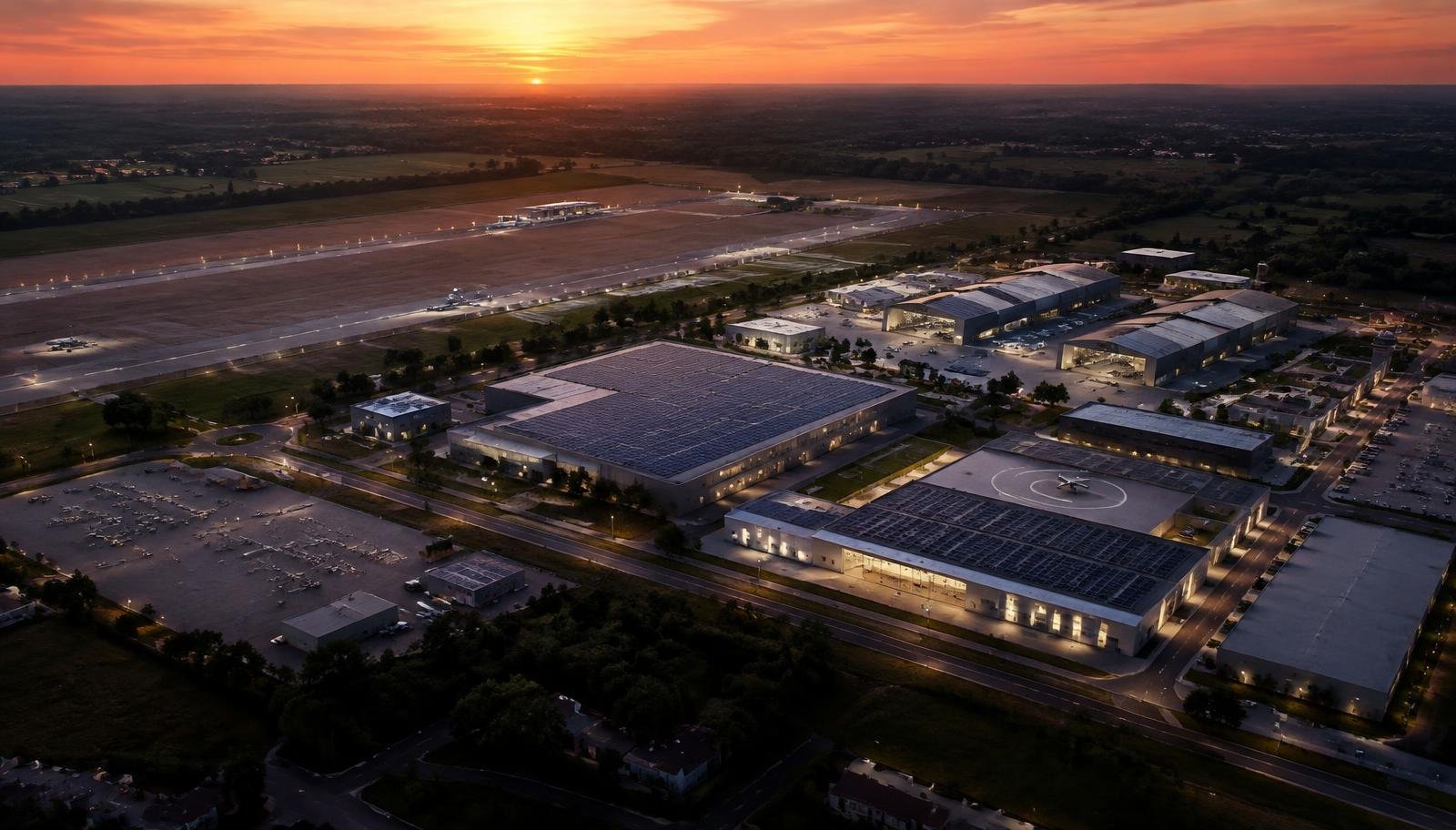
Allied partners increasingly want drones built at home: local jobs, assured supply, and systems tuned to national missions like search and rescue and border monitoring. The challenge is doing it without mishandling controlled US technology.
Three co-production models
Build-transfer: we design and commission the factory, then hand over operations. Co-production: local assembly of non-controlled subassemblies alongside licensed US components. Managed operations: a joint team runs the plant under agreed performance targets.
Governance first
Every model needs an export-control map before a floor plan: which items are ITAR or EAR controlled, which require licenses or agreements, and which can be produced locally. Licensing decisions remain with US authorities.
Phased capacity
Start with a pilot cell and training academy, prove output, then scale into production halls and a test range. Each phase has a decision gate tied to demand and licensing milestones.
Edge Data Centers for Drone Communications: Faster, Safer Links
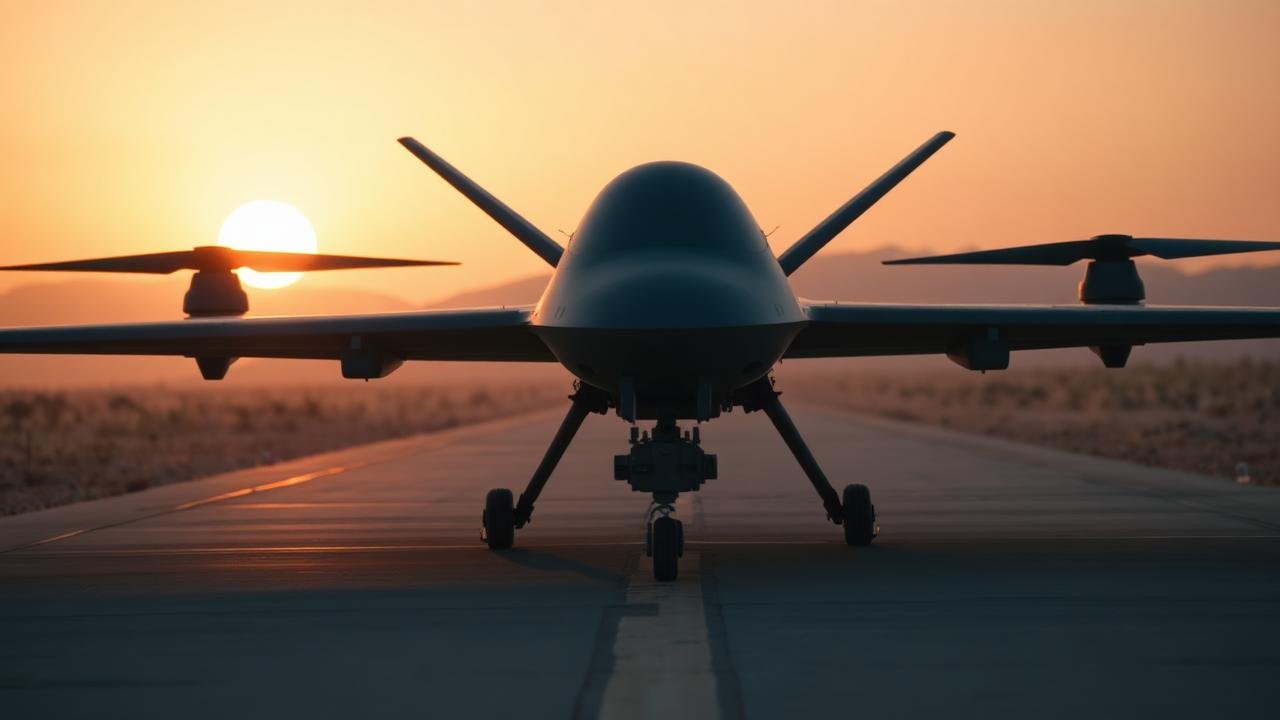
Why a small data center near the mission area improves drone video, AI vision and fleet control, and keeps working when long haul links fail.
RoboticsLightweight Materials, CNC and Prototyping: Building Better Drones
How carbon fiber, printed titanium and CNC aluminum come together in fast prototype loops to build drones and robots that fly longer and last.
RoboticsSecuring Drone and Robotics Factories Against Military Threats
Plants that build drones and robots are high value targets. Here is how planners approach site layout, redundancy and recovery.
RoboticsRobotics for Military and Search and Rescue: Six Real Use Cases
From route clearance to flood rescue, see where ground robots and drones already save lives on missions.