Series, How Technology Is Shaping Warfare
The Autonomous Battlefield: From Crewed Armor to Robotic Ground Combat
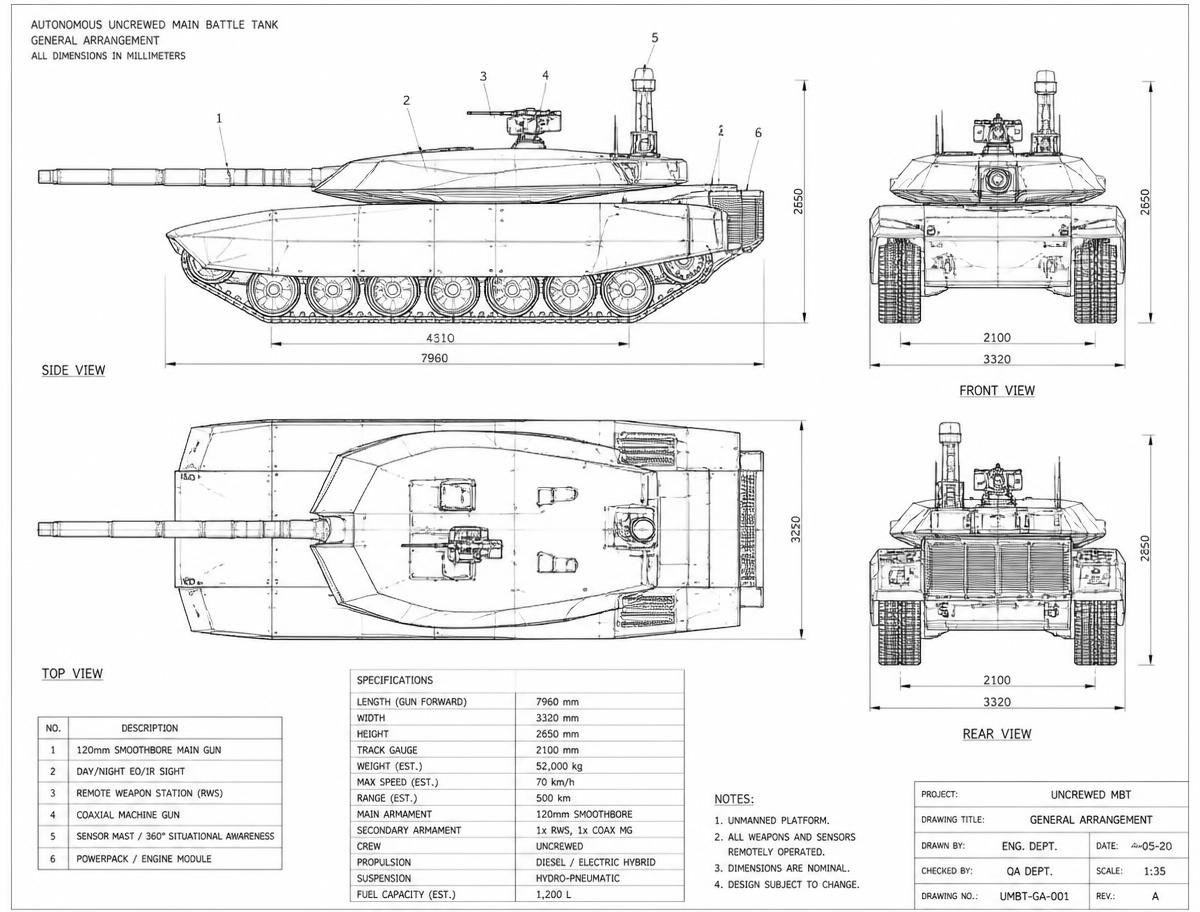
Armored warfare is being redrawn around a single design decision: taking the crew out of the hull. This general-arrangement study of an uncrewed main battle tank shows how far that decision propagates through the platform.
Crew-out changes the geometry, not just the manning
A crewed turret is sized around people: hatches, headroom, seats, escape paths, and the ammunition handling a loader can physically reach. Remove them and the turret collapses to the volume of a gun, an autoloader and a sensor head. The frontal silhouette in the drawing is roughly a third shorter than a conventional MBT of comparable firepower, and every centimeter removed is armor mass that can be redistributed to the arcs that actually get hit.
The hull becomes a machine bay rather than a crew compartment. Power, thermal management and compute occupy the space where a driver used to sit, and survivability is measured in mission continuity, can the vehicle still shoot, move and report after a hit, rather than in casualty avoidance.
Sensors are the new armor
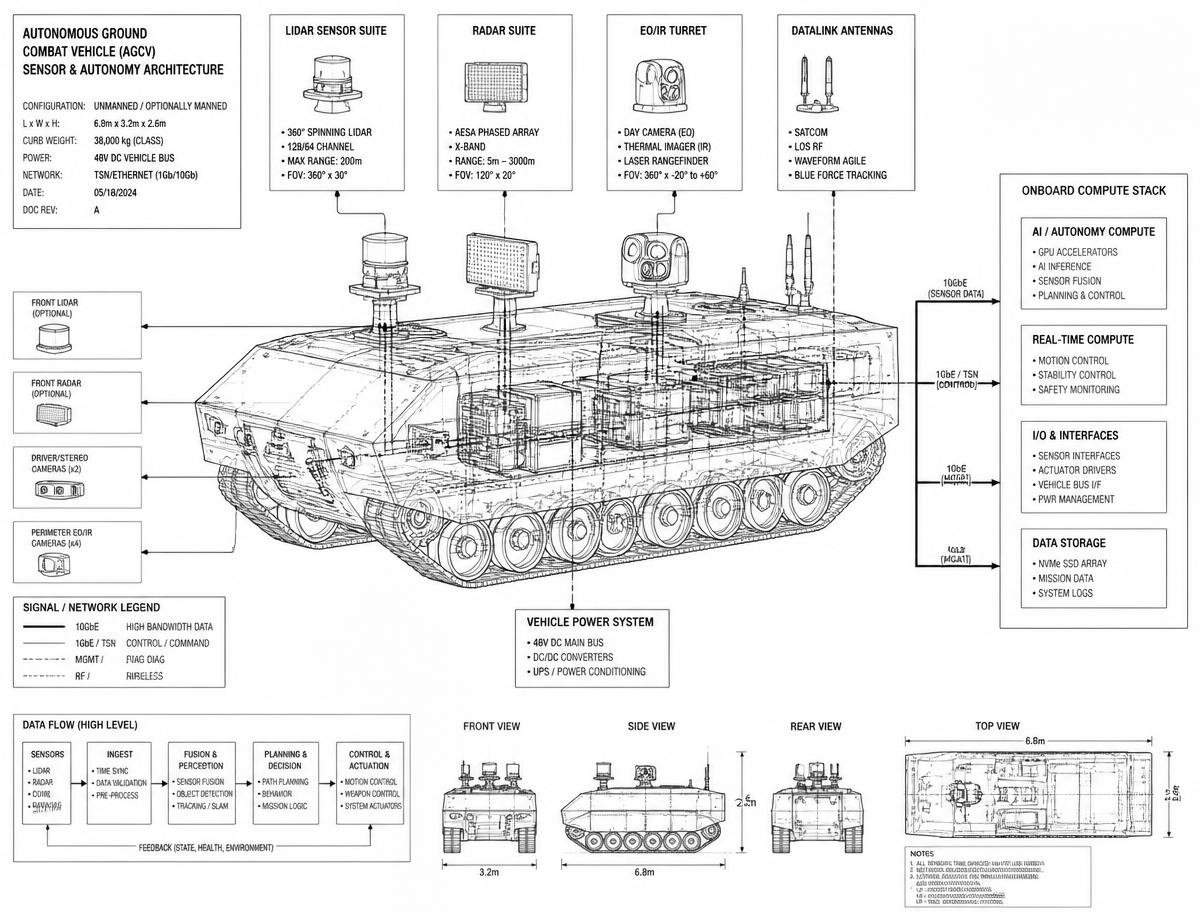
An uncrewed platform has no eyes of its own. It substitutes a layered sensor stack: 360-degree LIDAR for close-in obstacle and infantry detection, an X-band array for moving-target indication out to a few kilometers, and a stabilized EO/IR turret with laser rangefinding for identification and engagement. Fusion across those feeds is what turns raw returns into a usable picture, and it is the single highest-value software problem on the vehicle.
Because detection now precedes protection, active protection systems become part of the sensing loop rather than a bolt-on. The same radar that cues the gun cues the countermeasure.
Autonomy is a spectrum, not a switch
Fielded systems do not jump from teleoperation to full autonomy. The realistic ladder runs from remote driving over a line-of-sight link, to waypoint following with obstacle avoidance, to supervised behaviors, screen this flank, follow that vehicle, hold this overwatch position, with a human retaining release authority for any lethal effect.
That ladder has a bandwidth profile. Teleoperation is link-hungry and jamming-fragile. Supervised autonomy pushes decisions to onboard compute and degrades gracefully when the datalink drops, which is why the compute stack in the architecture diagram sits on its own redundant bus.
What it means for acquisition
For program offices the interesting property is cost asymmetry. An uncrewed hull can be built to a survivability standard that accepts attrition, fielded in larger numbers, and refreshed on a software cadence rather than a platform cadence. Open interfaces at the sensor and autonomy boundary matter more than any single subsystem selection.
- Part 1The Autonomous Battlefield: From Crewed Armor to Robotic Ground Combat
- Part 2Uncrewed at Sea: Designing a Search & Rescue Fast Interceptor
- Part 3Human-Machine Teaming: Autonomy Across Air, Land and Sea
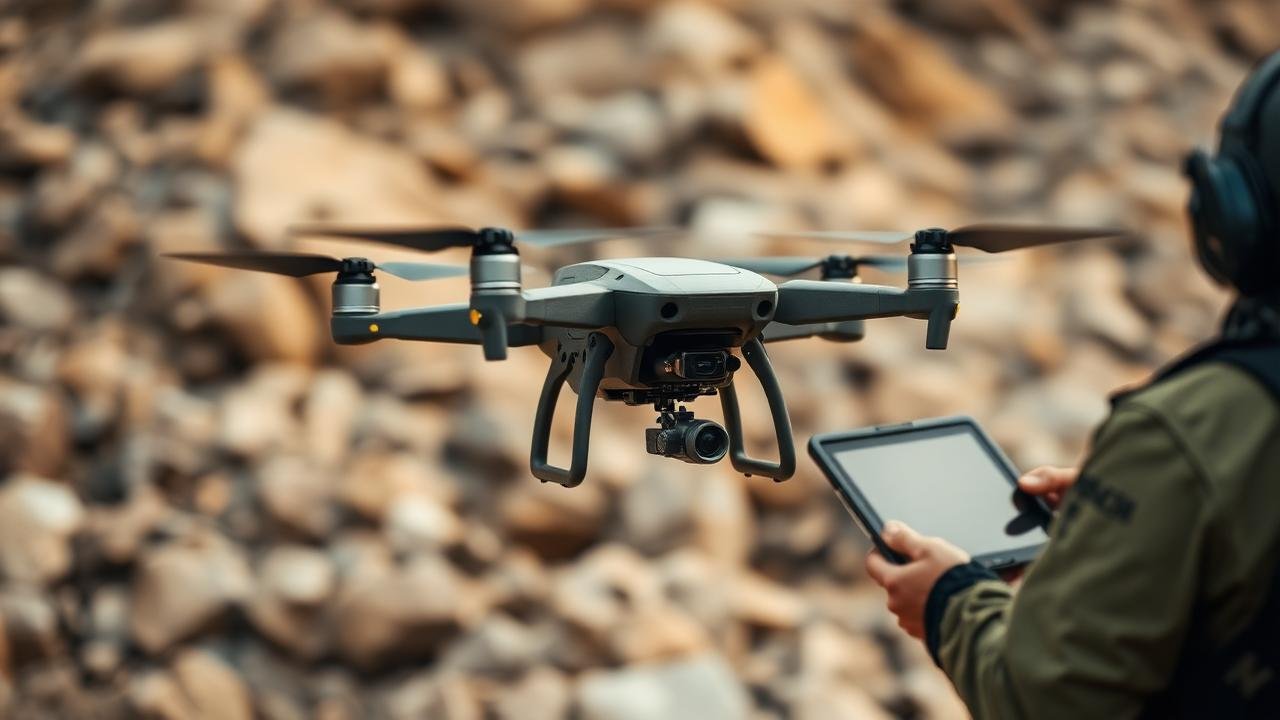
HS-Q12 Tactical Reconnaissance Quadcopter
Backpackable short-range UAS for squad-level reconnaissance and building clearance.
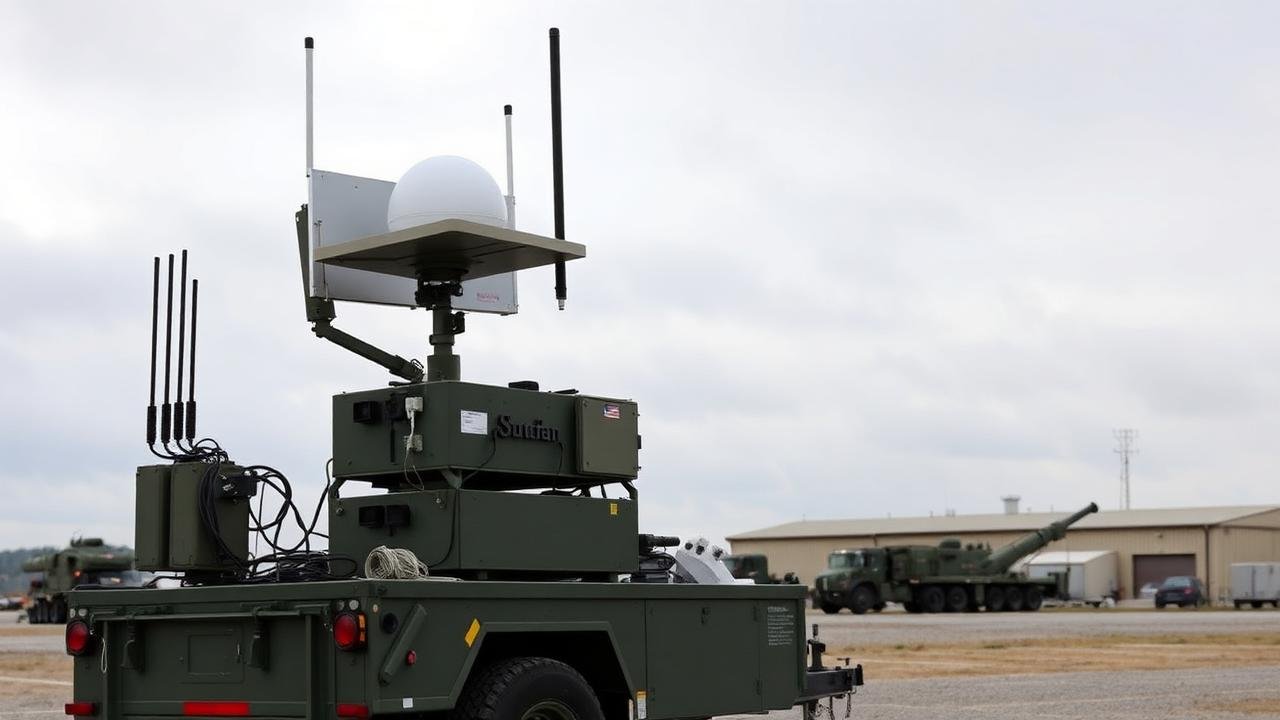
HS-CUAS Sentinel Detect & Defeat System
Trailer-mounted counter-drone system fusing radar, RF, and EO/IR with layered non-kinetic defeat.
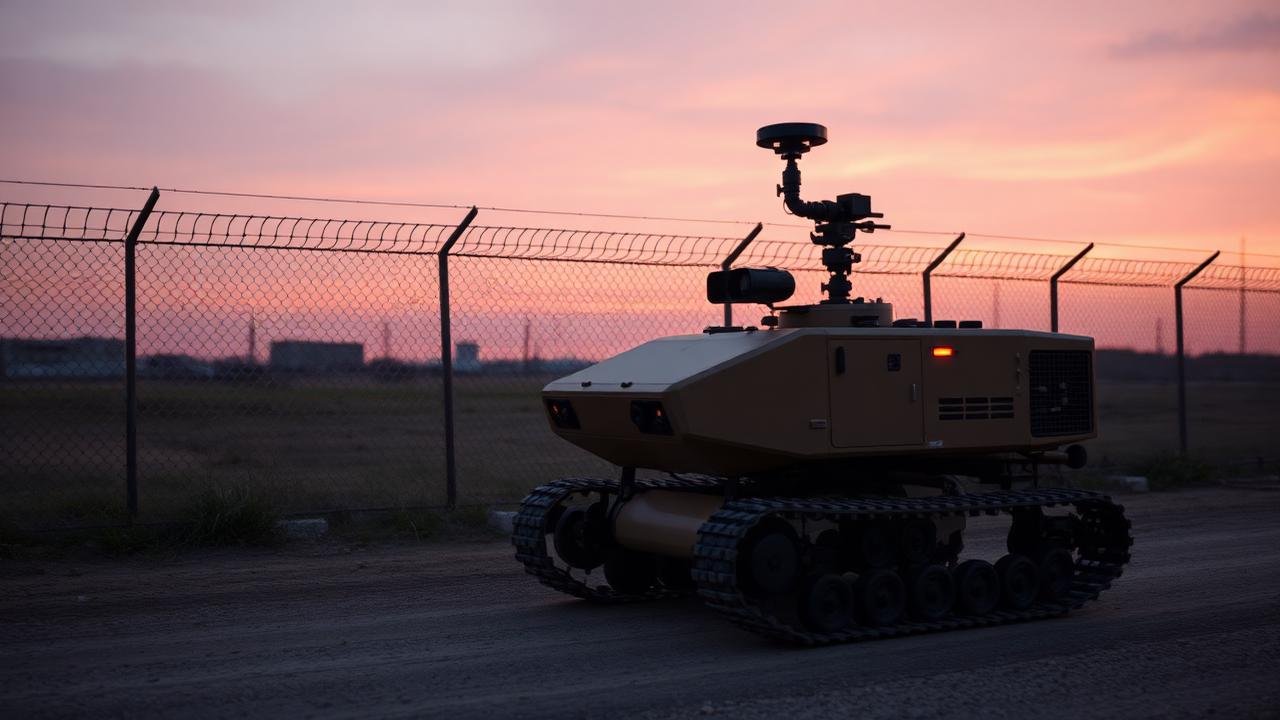
HS-G8 Sentry Unmanned Ground Vehicle
Tracked unmanned ground vehicle for perimeter patrol, sensor emplacement, and tactical resupply.
Edge Data Centers for Drone Communications: Faster, Safer Links
Why a small data center near the mission area improves drone video, AI vision and fleet control, and keeps working when long haul links fail.
RoboticsLightweight Materials, CNC and Prototyping: Building Better Drones
How carbon fiber, printed titanium and CNC aluminum come together in fast prototype loops to build drones and robots that fly longer and last.
RoboticsSecuring Drone and Robotics Factories Against Military Threats
Plants that build drones and robots are high value targets. Here is how planners approach site layout, redundancy and recovery.
RoboticsRobotics for Military and Search and Rescue: Six Real Use Cases
From route clearance to flood rescue, see where ground robots and drones already save lives on missions.