Series, How Technology Is Shaping Warfare
Human-Machine Teaming: Autonomy Across Air, Land and Sea
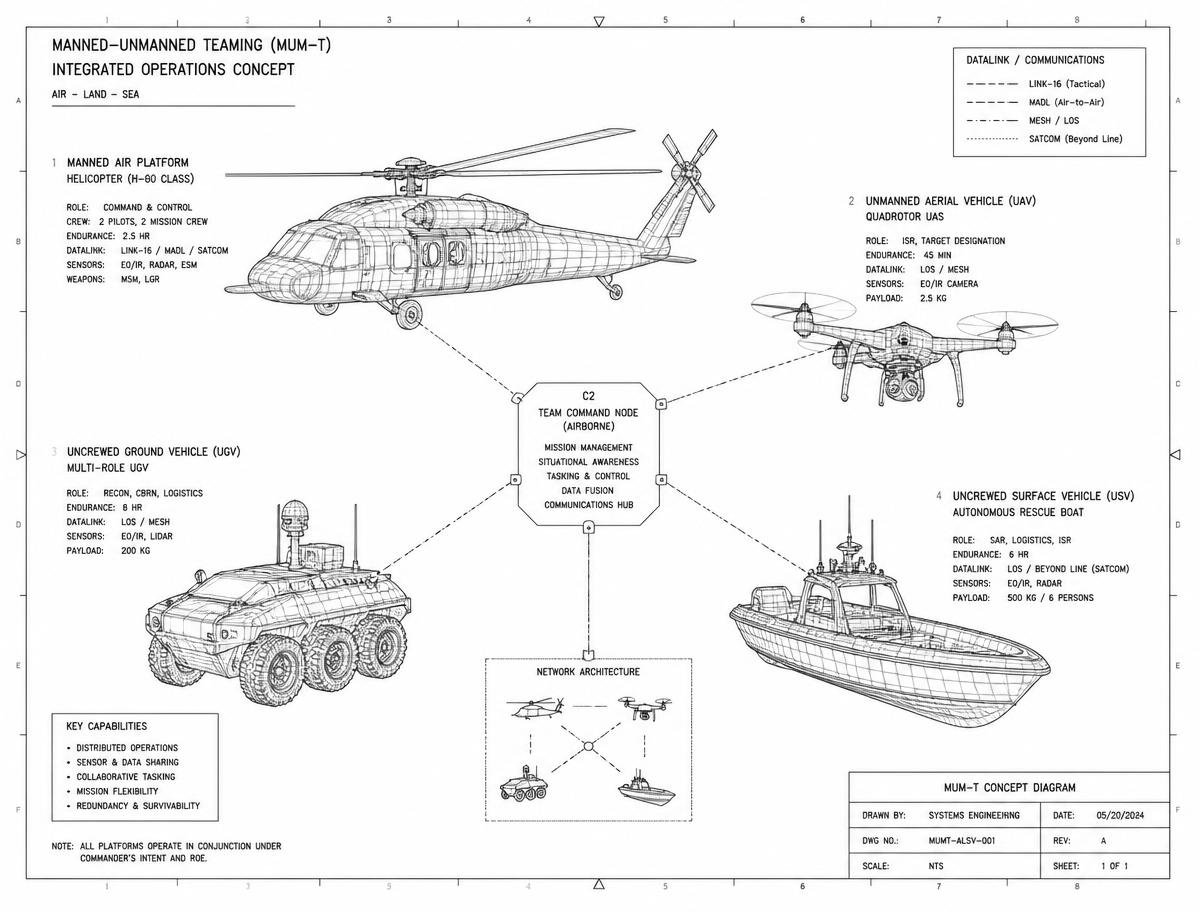
Parts I and II each described a single autonomous platform. The operational payoff only appears when they are treated as nodes in one network, manned-unmanned teaming across all three domains.
One command node, many effectors
In the concept diagram, a crewed H-60-class aircraft carries the team command node. Its crew manages tasking, arbitrates sensor conflicts and holds engagement authority; the quadrotor, the ground vehicle and the rescue boat contribute sensing and reach. No unmanned node needs a full picture, it needs its slice, plus enough autonomy to keep working when the link degrades.
That division is deliberate. Judgment concentrates where humans are; endurance, exposure and repetition go to machines.
The kill chain and the rescue chain are the same chain
Detect, identify, decide, act, assess. A counter-UAS engagement and a maritime rescue run the identical loop with different terminal effects, one ends in a defeat mechanism, the other in a recovery. Systems built for one transfer cleanly to the other, which is why counter-UAS radar, ISR drones and SAR aircraft increasingly share sensor and datalink lineage.
Shortening that loop is the actual technology race. Sensor fusion and onboard autonomy compress detect-to-decide; the human stays in the decide step where accountability lives.
Degrade gracefully or don't field it
Contested environments mean jammed GNSS, intermittent SATCOM and spoofed returns. A teaming architecture is only credible if every node has a defined behavior when it goes dark: return to a rally point, continue the last tasked pattern, or hold and beacon. Those behaviors belong in the requirements document, not in a demonstration script.
What we are building toward
Across our aviation, robotics, counter-UAS and search-and-rescue lines, the common thread is open interfaces at the sensor, datalink and autonomy boundaries, so a customer can add a node without re-procuring the system. That is the practical shape of how technology is reshaping warfare: fewer monolithic platforms, more composable teams.
- Part 1The Autonomous Battlefield: From Crewed Armor to Robotic Ground Combat
- Part 2Uncrewed at Sea: Designing a Search & Rescue Fast Interceptor
- Part 3Human-Machine Teaming: Autonomy Across Air, Land and Sea
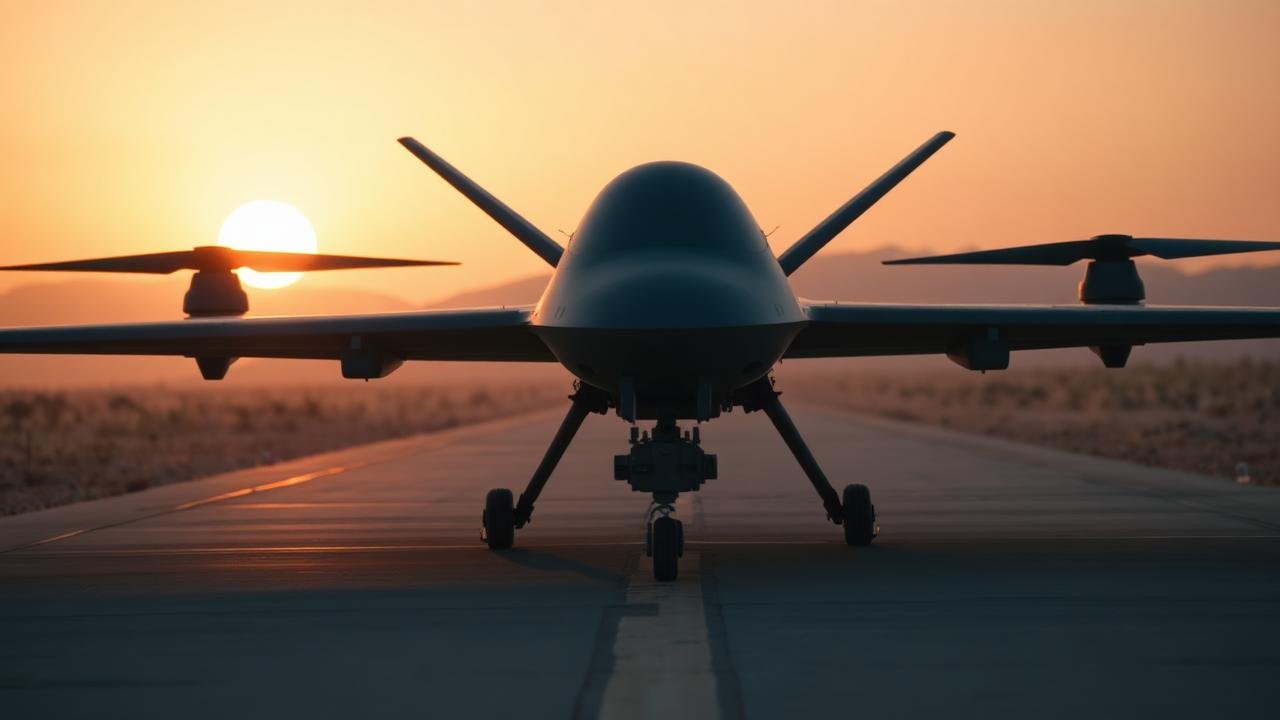
HS-V40 VTOL Fixed-Wing ISR UAS
Runway-independent VTOL fixed-wing UAS delivering long-endurance EO/IR surveillance and BLOS relay.
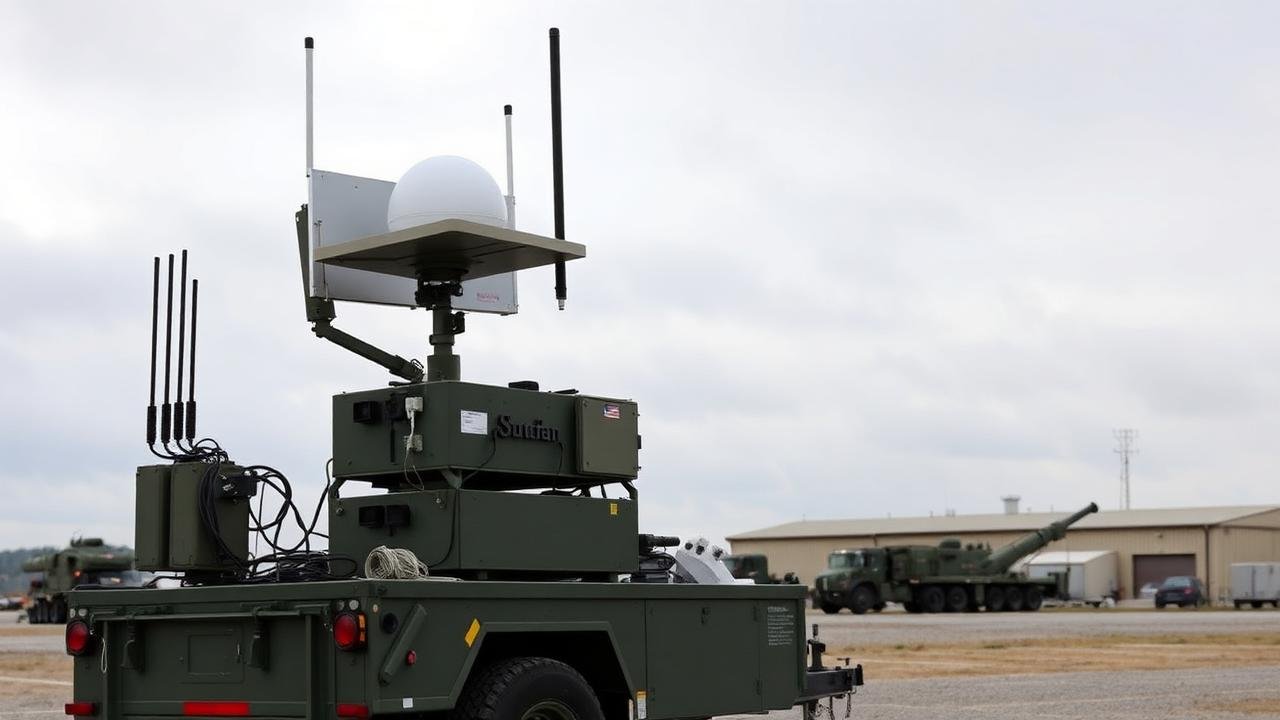
HS-CUAS Sentinel Detect & Defeat System
Trailer-mounted counter-drone system fusing radar, RF, and EO/IR with layered non-kinetic defeat.
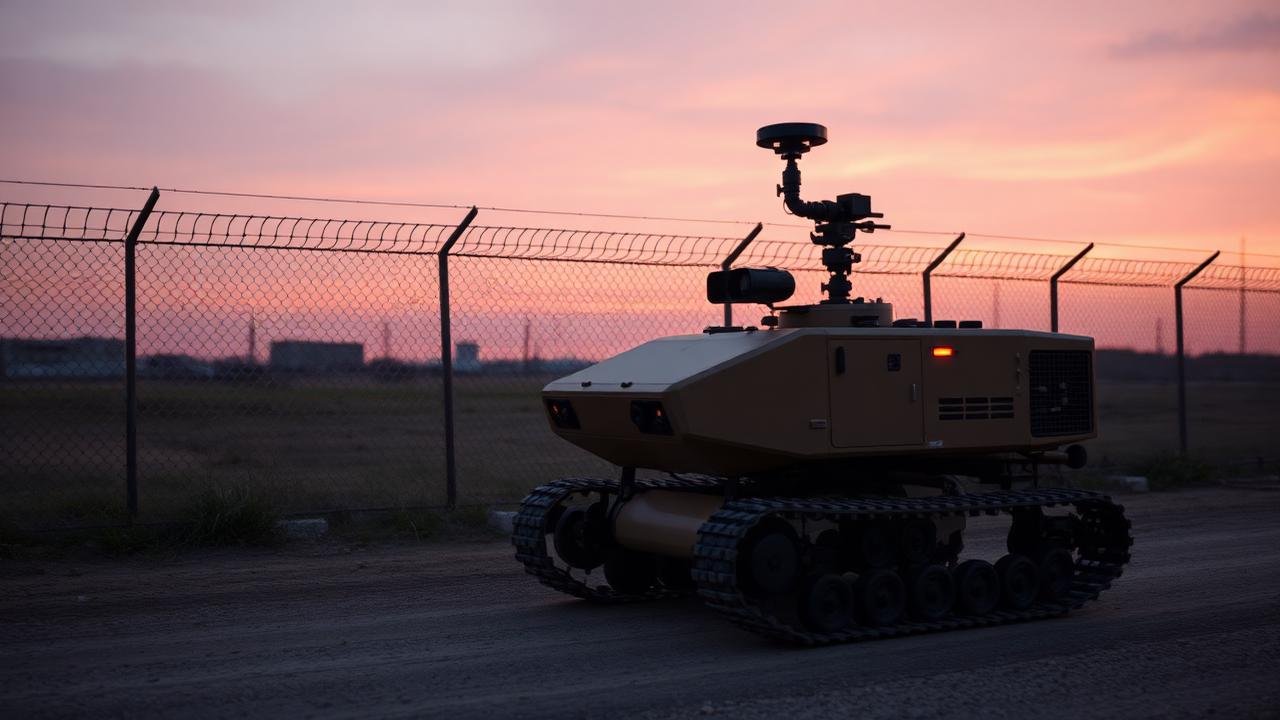
HS-G8 Sentry Unmanned Ground Vehicle
Tracked unmanned ground vehicle for perimeter patrol, sensor emplacement, and tactical resupply.
Edge Data Centers for Drone Communications: Faster, Safer Links
Why a small data center near the mission area improves drone video, AI vision and fleet control, and keeps working when long haul links fail.
RoboticsLightweight Materials, CNC and Prototyping: Building Better Drones
How carbon fiber, printed titanium and CNC aluminum come together in fast prototype loops to build drones and robots that fly longer and last.
RoboticsSecuring Drone and Robotics Factories Against Military Threats
Plants that build drones and robots are high value targets. Here is how planners approach site layout, redundancy and recovery.
RoboticsRobotics for Military and Search and Rescue: Six Real Use Cases
From route clearance to flood rescue, see where ground robots and drones already save lives on missions.